Frequently Asked Questions
The most-asked questions about british spy television series.
What counts as British spy television?
It is a genre of TV dramas and series produced in the UK that centre on intelligence officers, covert operations, and the political machinery of agencies like MI-5, MI-6, and GCHQ. The canon spans from 1960s anthology entries through long-running procedural dramas to recent prestige limited series, and it is broadly distinct from the action-adventure tone of American spy programming.
What is the difference between MI-5 and MI-6 as portrayed in these shows?
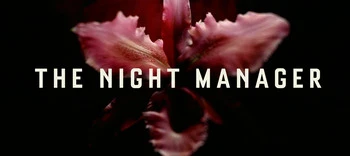
MI-5 (the Security Service) handles domestic counter-intelligence and counter-terrorism on British soil, while MI-6 (the Secret Intelligence Service) conducts foreign espionage and intelligence gathering abroad. Series like Spooks/MI-5 stay largely within the UK, whereas The Night Manager and Tinker Tailor Soldier Spy follow operatives working in overseas theatres.
Where should a newcomer begin watching?
A common starting point is the first two series of Spooks (2002–2004) for a fast-paced introduction to the world, followed by Slow Horses (2019–present) for a darker, more character-driven take. If you prefer a single self-contained story, The Night Manager (2016) or the 1979 Tinker Tailor Soldier Spy miniseries are both strong one-off entry points.
What is the John le Carré connection to British spy TV?
Le Carré, a former MI-5 and MI-6 officer, wrote a body of novels that have been adapted repeatedly for television, including Tinker Tailor Soldier Spy, The Night Manager, Slow Horses, and A Most Wanted Man. His work established the morally grey, bureaucratic, and disillusioned tone that much of the genre still draws on.
How does British spy TV differ from its American counterparts?
British entries tend to prioritise institutional politics, ethical ambiguity, and the personal cost of service over gadget-laden action sequences. The tone is generally more cynical and procedurally grounded, with protagonists who are often flawed, compromised, or working within a system they distrust.
Which actors are most associated with the genre?
Hugh Laurie (The Night Manager), Gary Oldman (Tinker Tailor Soldier Spy), and Gabriel Byrne (Slow Horses) are frequently cited as defining performances. Earlier figures include Michael Caine in The Man Who Would Be King-adjacent thrillers and the ensemble cast of Spooks, whose rotating leads kept the show fresh across twelve series.
What is Slow Horses and why is it notable?
Slow Horses is a BBC/Apple TV+ series based on le Carré's novels about a team of MI-5 officers who have been relegated to a dumping-ground department called Slough House. It has been praised for its dry British humour, complex plotting, and for making bureaucratic intelligence work feel genuinely tense across multiple seasons.
What was Spooks and how long did it run?
Spooks (branded MI-5 in the United States) was a BBC drama that followed a team of Security Service officers handling domestic threats. It ran for twelve series between 2002 and 2011, making it one of the longest-running spy dramas in British television history.
What recurring themes define the genre?
Common threads include the tension between personal loyalty and institutional duty, the moral compromises of surveillance and assassination, and the idea that the state apparatus is as dangerous as the external threats it fights. Betrayal within the agency, rather than a foreign adversary, is a particularly British motif.
Where can I watch most of these series?
Many BBC and ITV productions are available on BBC iPlayer in the UK, while international viewers often find them on streaming platforms such as Apple TV+, Netflix, or Amazon Prime depending on the title and region. Some older miniseries like the 1979 Tinker Tailor Soldier Spy have appeared on various digital rental services over the years.